Hybrid Lash Extensions: Everything You Need to Know
What Are Hybrid Lash Extensions?
Hybrid lash extensions combine classic (single lash) and volume (fan) application techniques in a single set. Typically, the ratio falls between 30–50% classic lashes and 50–70% volume fans, though the exact mix varies based on the client's natural lashes, desired look, and the artist's approach.
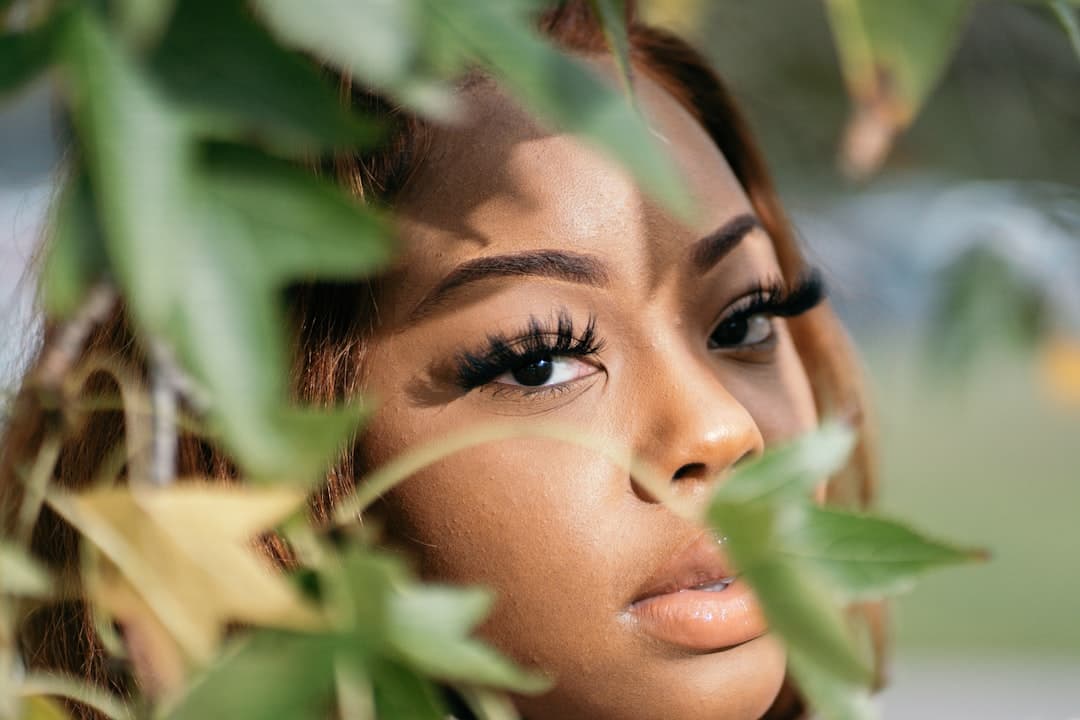
The result is a textured, dimensional look that sits between the defined elegance of classics and the density of volume. Hybrid sets have become one of the most requested styles because they offer the best of both worlds — visible definition from individual lash strands combined with the fullness of volume fans, all without the uniformity that some clients find too "done."
Hybrid vs. Classic vs. Volume: The Differences
Classic Extensions
One extension per natural lash. Clean, defined, and natural-looking. For a full breakdown, see our classic vs volume comparison. Each lash is individually visible, creating a "mascara-enhanced" effect. Classics work beautifully on clients with a full natural lash count, but can look sparse on clients with fewer natural lashes since gaps between lashes are more visible.
Volume Extensions
Handmade fans of 2–8 ultra-fine lashes applied to each natural lash. Creates density, fluffiness, and a uniform appearance. Volume fills in sparse areas and creates a consistently full lash line. The look ranges from natural (2D–3D) to dramatic (5D–8D) depending on fan width.
The Hybrid Advantage
Hybrid sets use both techniques strategically. Classic lashes provide length and definition at key points, while volume fans fill gaps and add density where needed. This creates an organic, multi-dimensional texture that mimics how natural lashes actually grow — some thicker, some finer, with varying lengths and directions. It's the most "effortlessly beautiful" option in the lash extension spectrum.
| Feature | Classic | Hybrid | Volume |
|---|---|---|---|
| Lash-to-lash ratio | 1:1 | Mixed 1:1 + fans | Fans only |
| Density | Light to medium | Medium | Medium to full |
| Texture | Uniform, defined | Varied, dimensional | Fluffy, uniform |
| Best for | Full natural lash count | Most clients | Sparse natural lashes or glam looks |
| Application time | 90–120 min | 120–150 min | 120–180 min |
| Typical diameter | 0.12–0.15mm | 0.07–0.15mm mixed | 0.03–0.07mm |
Who Are Hybrid Lashes For?
Hybrid sets suit the widest range of clients. They're particularly ideal for:
- Clients with moderate natural lash density: Enough lashes for some classic work but with areas that benefit from volume fans to fill gaps
- Clients who want more than classic but less than full volume: The most common request. "I want something fuller than mascara but not over the top."
- First-time lash extension clients: Hybrid is often the best first set because it delivers visible impact without the commitment of a full volume look
- Clients transitioning between styles: Moving from classic to volume or vice versa, hybrid serves as a comfortable middle ground
- Anyone wanting a natural, textured finish: The staggered lengths and mixed techniques create the most organic-looking result
Hybrid Mapping Techniques
Strategic Placement
The key to a great hybrid set is intentional placement — not random alternation between classic and volume. A common approach is to place classic lashes at the longest points of the lash map for spike definition, and volume fans everywhere else for density. Another approach reverses this: volume fans at the longest points for maximum impact, and classic lashes in shorter transitional areas.
Spike Mapping
This popular hybrid technique places individual classic lashes that are 1–2mm longer than surrounding fans at regular intervals across the lash line. The taller classic lashes create visible "spikes" that break up the uniformity and add a wispy, textured look. Spacing the spikes every 3–5 lashes creates a balanced rhythm. This is the mapping style responsible for the "wispy hybrid" trend that dominates social media.
Density-Based Mapping
Assess the client's natural lash density across the lash line. Areas with fewer natural lashes get volume fans to create the illusion of fullness. Areas with dense natural lash growth get classic lashes since the density is already sufficient. This approach is less about creating a specific aesthetic effect and more about achieving even coverage across the entire lash line.
Zone Mapping
Divide the lash line into zones — inner corner, inner third, center, outer third, outer corner — and assign classic or volume technique to each zone based on the desired shape. For example: classic lashes in the inner corner and center for definition, volume fans in the inner third and outer third for density. This gives you precise control over the final shape and fullness distribution.
Application Technique
Preparation and Planning
Before starting, plan your mapping on a lash map pad or digitally. Our lash mapping guide covers zone division and popular styles in detail. Decide your classic-to-volume ratio, your fan widths (2D or 3D for a natural hybrid, 3D–4D for a fuller hybrid), and your length distribution. Having this planned in advance keeps application efficient and prevents an uneven or unintentional-looking result.
Diameter Selection
Use different diameters for classic and volume lashes within the same set. Classic lashes in 0.12–0.15mm create visible definition. Volume fans made from 0.05–0.07mm lashes add soft density without excessive weight. The contrast in diameter between the classic "spikes" and the volume "fill" is what creates the dimensional texture that defines hybrid sets.
Adhesive Considerations
Hybrid sets require slightly more adhesive control than pure classic or volume. Classic lashes need a smooth, controlled dip for a clean bond. Volume fans need the adhesive concentrated at the base without flooding the fan. Switching between the two application styles means maintaining consistent adhesive consistency — work with a fresh adhesive drop and replace it before it begins to thicken.
Maintenance and Fill Appointments
Fill Schedule
Hybrid sets typically need fills every 2–3 weeks, similar to classic and volume sets. During fills, you'll replace both shed classic lashes and shed volume fans. Because hybrid sets use two techniques, fills take slightly longer than pure classic fills — budget 60–75 minutes versus 45–60 for a classic fill.
Retention Factors
Volume fans generally retain slightly longer than individual classic lashes because the fan's wider base creates a larger bonding surface. In practice, this means clients may notice their classic "spike" lashes shedding first, which can change the texture of the set between fills. During fills, prioritize replacing the classic spikes to maintain the hybrid texture.
Aftercare Instructions
Aftercare for hybrid sets is identical to any lash extension set — share our complete aftercare guide with clients. Avoid water and steam for the first 24 hours, cleanse lashes daily with a lash-safe foaming cleanser, avoid oil-based products near the eyes, don't pull or pick at the extensions, and sleep on your back or use a silk pillowcase. Proper aftercare is the single biggest factor in retention — emphasize this with every client.
Pricing Hybrid Sets
Hybrid sets should be priced between classic and volume. Our pricing guide covers how to calculate the right price point. The application requires skills from both techniques, takes longer than classic, and uses both standard and fine-diameter lashes. A typical pricing structure positions hybrid sets 20–30% above classic and 10–20% below volume. For example, if your classic set is $120 and your volume set is $180, a hybrid set at $145–$155 is appropriate.
Photographing Hybrid Work
Hybrid sets photograph exceptionally well because the texture and dimension are visible in images. Capture close-up shots that showcase the interplay between classic spikes and volume fill. The wispy, textured appearance translates better to photos than pure volume sets, which can appear flat in images. Use Glow.GE to enhance your hybrid set photos — the detail in spike definition and fan texture is exactly the kind of precision that high-quality portfolio images need to convey.
Mastering Hybrid as a Skill
Hybrid is not simply "doing classic and volume at the same time." It's a distinct technique that requires understanding how to balance density, texture, and dimension across the lash line. Artists who master hybrid mapping and execution can serve the broadest range of clients and develop a signature style that sets their work apart. Practice different mapping approaches, document what works, and refine your technique with every set.