10 Lash Retention Tips Every Artist Should Know
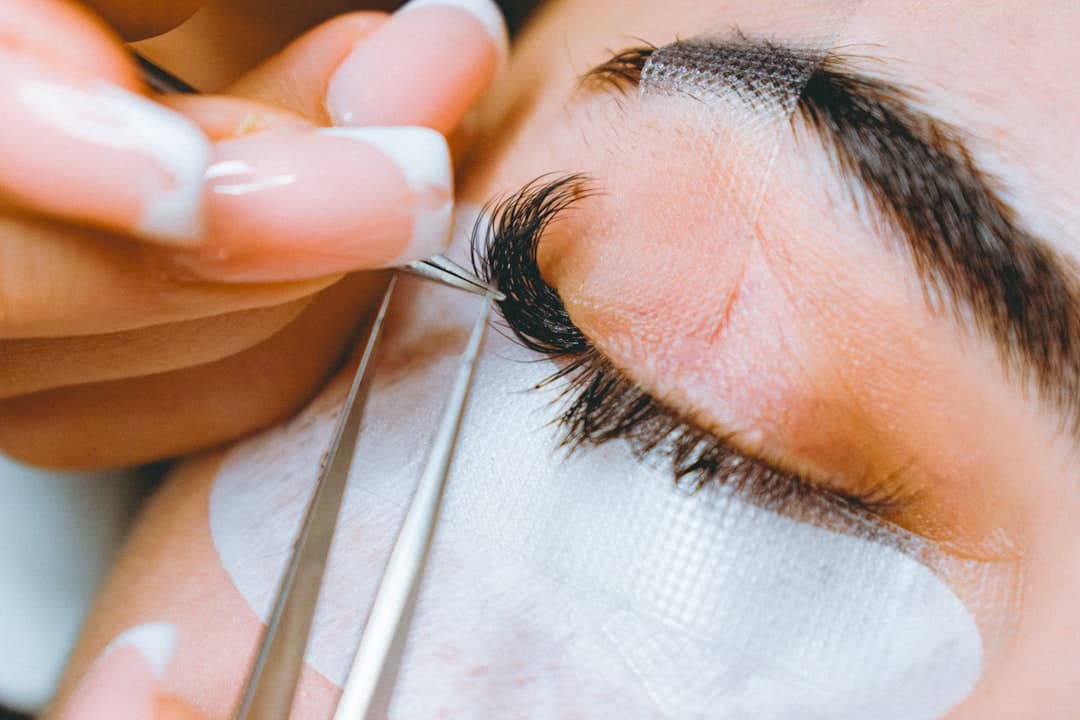
Why Retention Is Everything
Retention is the single most important measure of a lash artist's skill. No matter how beautiful your fan placement or how perfect your styling, if the extensions fall out within a week, your client will not return. Strong retention — typically 3 to 4 weeks between fills — builds trust, generates repeat business, and creates the kind of word-of-mouth referrals that grow your client base organically.
Poor retention is also the number one reason clients leave negative reviews. In a competitive market, your retention rate directly impacts your income and reputation. Here are ten proven strategies to maximize it.
1. Store Your Adhesive Correctly
Lash adhesive is the foundation of retention, and it is extremely sensitive to storage conditions. Choosing the right adhesive for your environment matters — see our best lash adhesives review for product comparisons. Unopened adhesive should be stored in a cool, dark place — ideally in an airtight container with a silica gel packet to absorb moisture. Some artists store unopened bottles in the refrigerator, but you must let the bottle reach room temperature before opening to prevent condensation from entering the bottle.
Once opened, adhesive should be used within 4 to 6 weeks, depending on the brand. Write the opening date on the bottle. Store it upright with the nozzle clean and the cap tightly sealed. Replace the adhesive nozzle wipe after every use to prevent clogging and air exposure.
2. Control Your Room Environment
Cyanoacrylate adhesive cures through a chemical reaction with moisture in the air. The ideal environment for most adhesives is:
- Temperature: 68-72°F (20-22°C)
- Humidity: 45-55%
Invest in a digital hygrometer (around $15) and place it on your workstation. If humidity is too low, the adhesive cures too slowly, resulting in weak bonds. If humidity is too high, it cures too fast — before you can properly place the extension — creating a brittle bond that fails prematurely.
Use a humidifier or dehumidifier to maintain optimal levels. In dry winter months, a small nano mister near your workstation can help. In humid summer months, air conditioning typically brings humidity into the correct range.
3. Prep Natural Lashes Thoroughly
This is the step most commonly rushed, and it is the most impactful for retention. Natural lashes must be completely free of oil, makeup residue, and dead skin cells before application.
Follow this prep sequence:
- Step 1: Cleanse lashes with a lash-safe foaming cleanser and a cleansing brush.
- Step 2: Rinse thoroughly with saline solution or distilled water.
- Step 3: Apply a lash primer to strip remaining oils and balance pH.
- Step 4: Allow lashes to dry completely — 60 to 90 seconds — before applying adhesive.
Never skip the primer. Primers create a slightly rough surface on the natural lash cuticle, giving the adhesive more area to bond. Studies show that proper priming can improve retention by up to 30%.
4. Refresh Your Adhesive Drop Frequently
Once dispensed onto your adhesive stone or jade tile, adhesive begins curing from the outside in. A fresh drop is glossy and fluid; a working drop develops a skin on the surface within 15 to 20 minutes depending on your room humidity.
Replace your adhesive drop every 15 to 20 minutes during application. Dipping into a partially cured drop means weaker bonds. Some artists set a silent timer as a reminder. Use a small drop — about the size of a grain of rice — to minimize waste while ensuring freshness.
5. Perfect Your Attachment Point
The extension should be bonded to the natural lash 0.5mm to 1mm from the eyelid, wrapping around the natural lash at the base. Too close to the skin causes irritation and premature shedding. Too far from the base creates a lever effect where the weight of the extension pulls it away from the natural lash.
The adhesive should form a thin, smooth coating around the bond point — not a visible glob. If you can see a bead of adhesive at the base, you are using too much. The ideal amount is just enough to coat 2-3mm of the natural lash at the attachment point.
6. Isolate Completely Before Bonding
Incomplete isolation is one of the most common causes of premature shedding. When two or more natural lashes are bonded together (stickies), the lashes pull against each other during the natural growth cycle, causing discomfort and early loss of both extensions.
Take your time with isolation. Use a fine-tipped isolation tweezer and ensure complete separation of the target lash from all surrounding lashes before applying adhesive. After placing an extension, check isolation again before moving on. Speed comes with practice, but never sacrifice isolation for speed.
7. Match Extension Weight to Natural Lash Strength
An extension that is too heavy for the natural lash will cause premature shedding, breakage, and potential long-term damage. Follow these general guidelines:
- Fine natural lashes: Use 0.03-0.05mm diameter extensions. Limit fan size to 2D-3D.
- Medium natural lashes: Use 0.05-0.07mm diameter or classic 0.12-0.15mm.
- Strong natural lashes: Can support classic 0.15-0.20mm or volume fans up to 5D-6D with 0.05-0.07mm fibers.
Extension length should not exceed 1.5 times the length of the natural lash — follow proper lash mapping techniques to ensure appropriate weight distribution. Longer extensions create a lever effect that stresses the bond point. If a client wants dramatic length, suggest a thicker volume fan rather than a longer extension.
8. Allow Proper Curing Time
Adhesive reaches handling strength within seconds but achieves full cure in 24 to 48 hours. During this critical window, the bond is vulnerable to moisture, oil, and physical stress.
At the end of the appointment, use a nano mister held 12 inches from the lashes for 3 to 5 seconds to accelerate the surface cure. This creates an initial seal that protects the bond while the deeper layers continue curing. However, do not over-mist — excessive moisture can shock-cure the adhesive and create a weak, brittle bond.
Instruct clients to avoid water, steam, and heavy exercise for the first 24 hours after application.
9. Educate Your Clients on Aftercare
Even perfect application cannot survive poor aftercare. The most common client habits that destroy retention:
- Rubbing or touching the eyes: Mechanical stress breaks adhesive bonds.
- Oil-based products near the eyes: Oil dissolves cyanoacrylate adhesive. This includes many sunscreens, moisturizers, and makeup removers.
- Sleeping face-down: Pressing lashes against a pillow for 8 hours per night bends and weakens bonds.
- Skipping daily cleaning: Buildup of oil, dead skin, and bacteria weakens adhesive and increases the risk of infection.
Give every client a printed or digital aftercare card at the end of their appointment — share our complete aftercare guide as a ready-made resource. Verbal instructions are easily forgotten. A simple one-page guide with clear dos and don'ts dramatically improves retention and reduces client complaints.
10. Invest in Continuing Education
Adhesive formulations, extension materials, and application techniques evolve constantly. Stay current with the latest beauty industry trends. What you learned in your initial certification may already be outdated. Attend advanced workshops, follow respected lash educators on social media, and experiment with new products and techniques on practice mannequins before using them on clients.
Track your retention data. Ask clients at their fill appointments how their lashes held up. If you notice a pattern — a particular adhesive performing poorly, or lashes on one eye shedding faster than the other — investigate and adjust. The best lash artists are perpetual students of their craft.
Measuring Your Progress
Document your work with consistent photos at application and at the fill appointment. Tools like Glow.GE help you take professional-quality before and after photos that let you visually assess retention over time. Compare photos at the 2-week and 3-week marks to identify where shedding occurs most — inner corners, outer corners, or evenly throughout. This data helps you pinpoint which of these ten areas needs the most attention.
Strong retention is not about any single factor — it is the cumulative result of getting every detail right, from adhesive storage to client education. Master these ten areas, and you will see longer-lasting sets, happier clients, and a growing business built on trust and quality.