Color Lash Extensions: A Complete Styling Guide
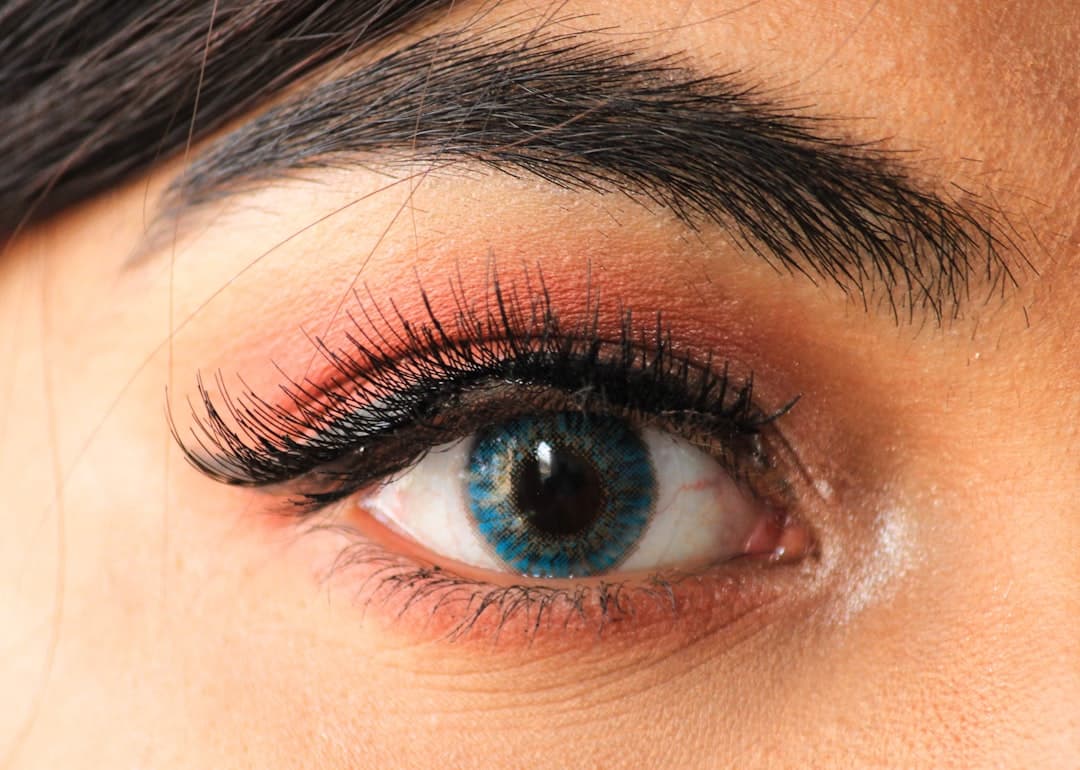
Why Color Lash Extensions Are Taking Over
The lash extension industry has evolved far beyond classic black. Color lash extensions have surged in popularity, driven by clients who want personalized, expressive looks that reflect their personality. Whether it's a subtle pop of brown for a natural warm effect or a bold violet fan for a festival-ready set, colored lashes offer beauty professionals a powerful way to differentiate their services and charge premium prices.
For lash artists, mastering color opens up new revenue streams. Color sets typically command 15–30% higher pricing than standard black extensions, and they create highly shareable portfolio content that drives organic social media reach. If you haven't added color to your menu yet, this guide will show you exactly how to start.
Understanding Color Theory for Lash Extensions
Before you start mixing trays, a basic understanding of color theory will make your work more intentional and your consultations more confident.
Warm vs. Cool Tones
Warm-toned lashes — reds, coppers, golds, and warm browns — complement clients with warm undertones in their skin. They enhance golden or olive complexions beautifully. Cool-toned lashes — blues, purples, silvers, and cool browns — pair well with pink or neutral undertones. When in doubt, hold a few colored lash fans against the client's skin near their eye area during the consultation.
Using Complementary Colors
Complementary colors sit opposite each other on the color wheel and create the most striking contrast. Green and teal lashes make brown eyes pop. Purple and violet enhance green or hazel eyes. Copper and warm bronze lashes intensify blue eyes. This is one of the most practical applications of color theory in lash work — recommending shades that amplify the client's natural eye color.
Popular Color Lash Techniques
The Color Accent
This is the most beginner-friendly approach and the easiest sell for hesitant clients. Apply a full set in classic black or dark brown, then add colored lashes to the outer corners only — typically the last 8–12 lashes on each eye. Teal, burgundy, and deep purple work beautifully as accents without overwhelming the look. This technique adds roughly 10 minutes to application time and can be offered as a low-cost upgrade.
The Ombré Blend
Transition from one color at the inner corner to another at the outer corner. A popular combination is dark brown transitioning to copper, or black fading into deep blue. This requires pre-planning your color map before the client lies down. Sketch out or mentally divide the lash line into thirds and assign your gradient accordingly.
Full Color Sets
A complete set in a single non-black color — like chocolate brown, wine red, or deep teal — is surprisingly wearable for everyday looks. Brown lash extensions, in particular, have become a staple service for clients who find black too harsh. Full brown sets are the gateway to color for many artists and clients alike.
Rainbow and Festival Styles
Multi-color sets using three or more shades are popular for festivals, pride events, and editorial shoots. These are high-impact portfolio pieces. Use a repeating pattern — for example, cycling through pink, purple, and blue across the lash line — for a cohesive rather than chaotic effect.
Choosing Quality Colored Lashes
Not all colored lash extensions are created equal. Cheap colored lashes often have inconsistent pigmentation, with visible black cores showing through lighter colors. Here's what to look for when sourcing:
- Full-pigment fibers: The color should be consistent from base to tip, especially in lighter shades like pink or light blue. Hold the lash against white paper to check.
- Consistent curl retention: Colored lashes from some manufacturers lose curl faster than their black counterparts. Test a few fans before committing to a supplier.
- Matte vs. satin finish: Matte colored lashes look more natural. High-gloss colored fibers can appear plastic. Most premium brands offer a soft satin finish.
- Range of diameters and curls: Ensure your supplier offers colored lashes in the same diameter and curl range as your black stock. You don't want to be limited to 0.15mm C-curl in every color.
Running a Color Consultation
Color consultations require a few extra minutes but dramatically improve client satisfaction and reduce the chance of a redo. Use our client consultation checklist as a starting point, then add the color-specific steps below.
Start by asking about the occasion. Is this for everyday wear, a wedding, a photo shoot, or an event? Everyday clients tend to prefer subtle colors — browns, burgundy accents, or a touch of teal. Event clients are more open to bold choices.
Next, assess the client's coloring: eye color, skin tone, hair color, and the colors they typically wear. Show them physical lash samples fanned out against their skin rather than relying on photos, which can be misleading due to screen color variation.
Finally, discuss maintenance. Some colored lashes — particularly lighter shades — may show gaps more obviously as lashes shed, which means fills may need to be scheduled slightly more frequently, or the client should be prepared for a less uniform look between appointments.
Application Tips for Colored Lashes
Working with colored extensions is largely the same as working with black, but a few adjustments will improve your results:
- Use clear or colored adhesive: Black adhesive can create a visible dark bond line that clashes with lighter colored lashes. Clear-drying adhesive or adhesive tinted to match the lash color gives a cleaner finish. Check our best lash adhesives review for options that offer clear formulas.
- Map your colors before starting: Use a lash map with color zones marked. Once you're in the flow of application, it's easy to lose track of your color plan.
- Work in good lighting: Colors like dark teal and deep purple can look nearly identical to black under dim lighting. Use a bright, daylight-balanced ring light or lamp.
- Photograph in multiple lighting conditions: The same set can look dramatically different in warm indoor light vs. natural daylight. Capture both for your portfolio and for client expectations.
Pricing Color Services
Color lash services should be priced higher than standard sets, following the same principles outlined in our pricing strategy guide. You're working with specialty materials that cost more per tray, investing time in consultation and color mapping, and offering a specialized skill. Most artists add 15–30% to their base price for color work. Some offer a flat "color upgrade" add-on fee, which is simpler for clients to understand.
For accent techniques (just outer corners), a smaller add-on of $10–$20 is appropriate. For full color or ombré sets, a higher premium reflects the additional planning and materials involved.
Marketing Your Color Lash Services
Color lashes are inherently photogenic and shareable, making them one of the best marketing tools in your arsenal. Post professional before-and-after shots highlighting the color payoff. Use Glow.GE to enhance your portfolio images so the colors are accurately represented and the detail is sharp. Clients scrolling through your feed should immediately see that you offer something beyond standard black sets.
Create seasonal color promotions — warm coppers and golds in autumn, icy blues and silvers in winter, pastels in spring. This gives clients a reason to try something new each visit and keeps your content fresh.
Final Thoughts
Color lash extensions are no longer a niche novelty — they're a growing segment of the industry that rewards artists who invest in learning the craft. Start with subtle color accents if you're new, build your confidence and portfolio, and expand into full color and ombré work as your skills develop. Your clients — and your booking calendar — will thank you.