Mega Volume Lash Techniques: Advanced Guide for Artists
What Is Mega Volume and Why It Demands Mastery
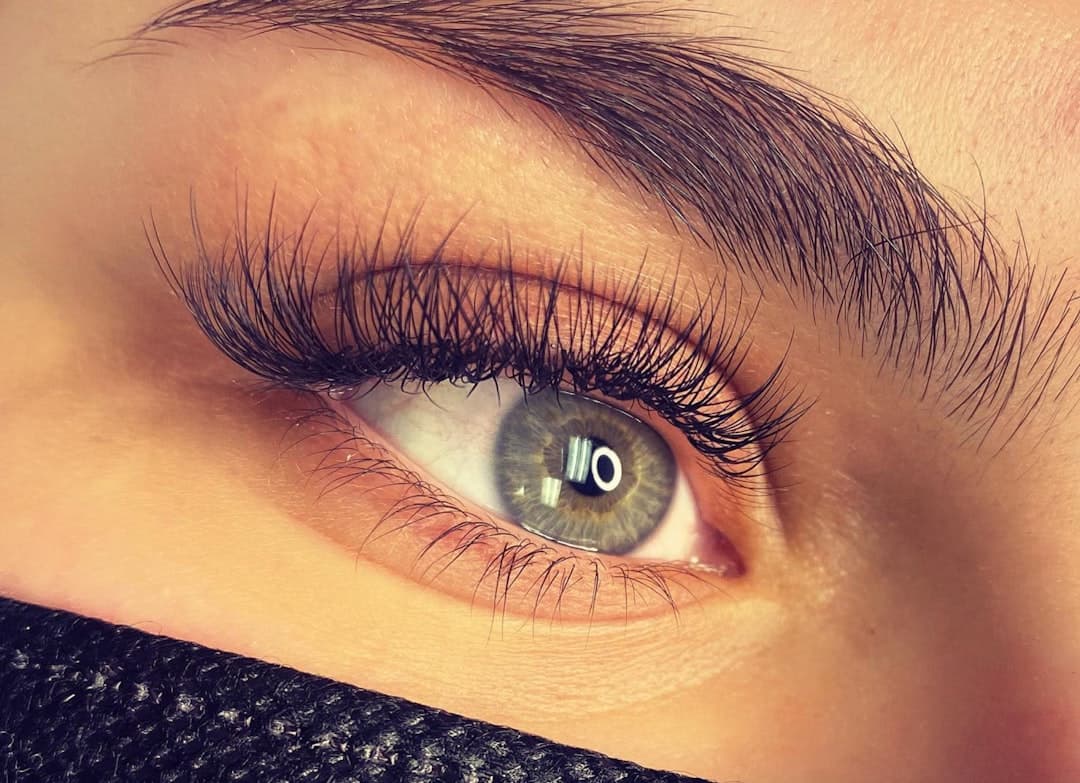
Mega volume lash extensions involve applying fans of 10 to 20 ultra-fine lash fibers (typically 0.03mm to 0.05mm diameter) to a single natural lash. Unlike classic or standard volume sets, mega volume creates an intensely full, dark lash line that rivals the look of a professional photo shoot — every single day.
However, this technique is not for beginners. The margin for error shrinks dramatically when you are working with fans this large. Poor weight distribution damages natural lashes, uneven placement creates an artificial look, and incorrect adhesive application leads to clumping. This guide covers the advanced techniques that separate competent mega volume artists from truly exceptional ones.
Choosing the Right Lash Diameter
The foundation of safe mega volume work is selecting the correct fiber diameter. Thinner fibers allow larger fans without overloading the natural lash.
- 0.03mm fibers: The gold standard for mega volume. Light enough for fans of 15-20 lashes. Creates a soft, feathery density that looks luxurious without stiffness.
- 0.04mm fibers: Suitable for fans of 10-14. Slightly more defined at the tips, producing a bolder lash line.
- 0.05mm fibers: The upper limit for mega volume. Use only for fans of 8-10 on clients with strong, healthy natural lashes. Any larger and you risk premature shedding.
Always assess your client's natural lash health before deciding — our consultation checklist covers what to look for. If their lashes are thin, short, or damaged from previous extensions, scale down. A beautiful 10D set on healthy lashes will always look better than a 16D set that causes breakage within two weeks.
Fan-Making Techniques for Mega Volume
The Pinching Method
The pinching method remains the most popular approach for creating mega volume fans. Pick up 10-20 fibers from the strip, pinch the base between your tweezers, and roll slightly to create an even spread. The key is consistency — every fan should open to roughly the same width.
Common mistakes include pinching too tightly (creating a closed, spiky fan) or too loosely (fibers separate after application). Practice creating fans on a tile before applying them to a client. You should be able to make 50 consistent fans in a row before offering mega volume services.
The Shimmy Technique
For artists who struggle with even fan distribution, the shimmy technique offers more control. Instead of pinching all fibers at once, you slide your tweezers along the strip while gently shaking to separate fibers naturally. This creates organic-looking fans with a wider, more symmetrical spread.
The shimmy technique works best with 0.03mm fibers, which are flexible enough to respond to the lateral motion. With 0.05mm fibers, the additional stiffness can make this technique harder to control.
The Rolling Technique
Advanced artists sometimes use a rolling motion between their thumb and tweezers to create perfectly symmetrical fans. This technique requires exceptional fine motor control but produces the most consistent results. The base of each fan stays tight while the tips spread evenly, creating that coveted fluffy texture.
Adhesive Management for Large Fans
Mega volume fans have a larger base than classic or standard volume fans, which changes how adhesive behaves. Too much adhesive creates visible globs at the lash line. Too little and the fan detaches within days.
The optimal approach is to dip only the bottom 1-2mm of the fan base into a fresh adhesive drop. The adhesive should coat the base evenly without creating a visible bead. Replace your adhesive drop every 15-20 minutes — mega volume sets take longer, and cyanoacrylate adhesives begin polymerizing as soon as they are exposed to air.
Humidity and temperature matter more with mega volume because the larger surface area of each fan means more adhesive is exposed at once. Choosing the right product is critical — see our best lash adhesives review for recommendations. Keep your room between 45-55% humidity and 20-24°C for optimal curing. A nano-mister applied at the end of the set helps cure any remaining adhesive and reduces the chance of fumes irritating your client's eyes.
Placement Strategies for Natural-Looking Fullness
Layered Placement
The secret to mega volume that looks luxurious rather than heavy is layered placement. Work in three passes: first, apply fans to every third natural lash across the entire eye. Second, fill in every other remaining lash. Third, complete the remaining gaps. This ensures even distribution and prevents you from overloading one section while neglecting another.
Directional Fanning
Not all fans should point straight up. Inner corner fans should angle slightly toward the nose. Outer corner fans should sweep outward. Center fans point straight up or slightly forward. This directional variation mimics how natural lashes grow and prevents the flat, wall-like appearance that poorly applied mega volume can create.
Strategic Length Variation
Use at least four different lengths across each eye, following proper lash mapping techniques. A typical mega volume mapping might use 9mm at the inner corner, transition through 11mm and 12mm across the center, peak at 13mm in the outer third, and drop back to 10mm at the very outer corner. This creates dimension and prevents the blunt, uniform look that reads as artificial.
Curl Selection for Mega Volume
Curl choice dramatically affects the final look in mega volume sets because the density amplifies every curve.
- C curl: The safest choice for most clients. Provides a natural lift that works with most eye shapes. In mega volume, C curl creates a sophisticated, editorial look.
- CC curl: Slightly more dramatic than C. Ideal for clients with hooded eyes who need extra lift to make the extensions visible when their eyes are open.
- D curl: Maximum drama. Creates a wide-eyed, doll-like effect. Use cautiously — on clients with naturally straight lashes, D curl can create an unnatural disconnection between the extension and the natural lash base.
- L and L+ curls: Specialized curls for monolid and hooded eye shapes. The flat base sits flush against straight natural lashes before curving upward, solving the common problem of mega volume fans drooping on these eye types.
Timing and Efficiency
A full mega volume set typically takes 2.5 to 3.5 hours. Artists who consistently exceed 4 hours need to work on their speed before offering this service professionally. Slow application means the adhesive on early fans has fully cured and potentially become brittle before the set is complete.
To improve speed without sacrificing quality: pre-make fans on a tile before the appointment, use a lash palette organized by length, and develop a consistent mapping system so you never pause to decide which length goes where.
Aftercare Advice for Mega Volume Clients
Mega volume sets require slightly more diligent aftercare than classic or standard volume sets because the density traps more oil and debris.
Advise clients to cleanse their lashes daily with a foaming lash cleanser and a soft cleansing brush. Share our complete aftercare guide with them for detailed instructions. Skipping this step is the number one reason mega volume sets look clumpy after two weeks. Clients should also avoid oil-based products near the eyes and sleep on a silk pillowcase to reduce friction.
Schedule fills every 2-3 weeks. Mega volume retention tends to be slightly shorter than classic because the larger fans create more surface area for environmental exposure. A fill appointment should take 60-90 minutes.
Photographing Your Mega Volume Work
Mega volume sets photograph beautifully, making them excellent portfolio content. Shoot in natural light or with a ring light positioned at eye level. Capture both eyes-open and eyes-closed shots. The closed-eye shot shows fan symmetry and placement precision, while the open-eye shot demonstrates the dramatic effect your client experiences daily.
Tools like Glow.GE can enhance your portfolio photos with professional-quality lighting and skin retouching, ensuring your mega volume work looks as stunning online as it does in person. Consistent, high-quality portfolio images are what convert browsing potential clients into booked appointments.